Philadelphia murals: how graffiti became Mural Arts
Updated
Philadelphia's murals grew out of its graffiti. In 1984, the city created the Philadelphia Anti-Graffiti Network, and the artist Jane Golden helped young writers turn their skills into paid mural work. The program became Mural Arts in 1997, and by its own count it had created more than 4,300 murals by 2024. You can see them on its guided tours.
This post follows the story from the first names on the walls to today, then explains how to see the murals and why they need an archive.
Graffiti came first
In the late 1960s, Darryl "Cornbread" McCray and Cool Earl wrote their names all over Philadelphia, to be seen rather than to mark gang turf. Sources give 1965 or 1967 for the start, and some famous stories, such as Cornbread and the zoo elephant, have no record behind them. Our short history of graffiti follows what came next.
 The Philadelphia InquirerOff the wall: Cornbread and other early graffiti artists speak
1984: an anti-graffiti network that hired writers
Mayor Wilson Goode created the Philadelphia Anti-Graffiti Network in 1984. According to Mural Arts' history, it grew partly out of cleanups in Mantua, a West Philadelphia neighbourhood, where the community leader Tim Spencer organised residents. Goode made Spencer its first director, and later that year they brought in Jane Golden, a young artist, to work with young people.
Rather than only removing graffiti, the network offered jobs, training and workshops, and Golden helped writers turn their skills into paid community murals. WHYY tells how her first big test was a mural on the Spring Garden Street Bridge, painted with a crew of young people from Mantua. It earned her a full-time job.
Writers signed a statement promising to stop tagging, and murals were painted with brushes only, because spray paint was too closely tied to graffiti. Golden later relaxed that rule.
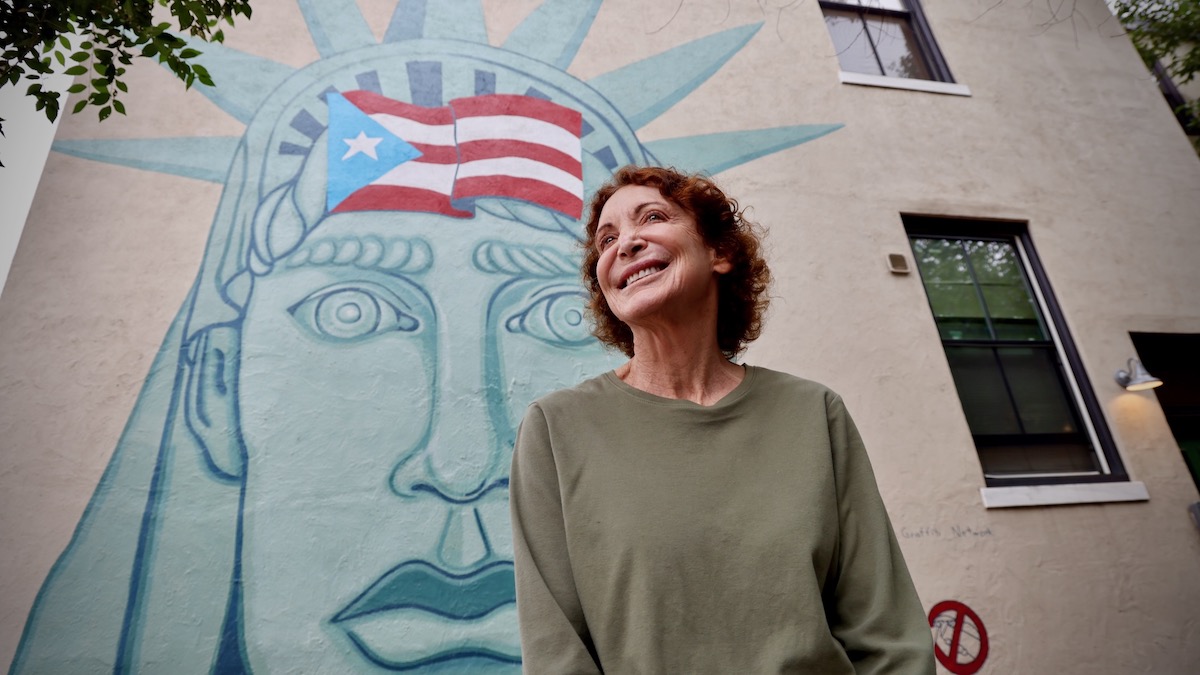 WHYYMural Arts Philadelphia's founding director, Jane Golden, is stepping down
From a city network to Mural Arts
Spencer died in 1996, and the network was split: cleanups went to one city office, the art programs to another. In 1997, the Mural Arts Program began its next chapter with a staff of five and a small budget, backed by a new nonprofit, the Philadelphia Mural Arts Advocates. In 2016, it became Mural Arts Philadelphia.
Dates differ between sources. A 2025 WHYY article gives 1986 for the start of the mural program, and Mural Arts' 2024 press kit dates its birth to 1996.
Today, Mural Arts calls itself the nation's largest public art program and says it takes on 50 to 100 projects a year. For its 40th anniversary, in January 2024, it counted more than 4,300 murals created since 1984.
Jane Golden led the work for more than four decades. Emily Mello, who led education programs at museums in New York, Chicago and Miami, became executive director on 1 September 2026. Mural Arts now lists Golden as founder and strategic advisor.
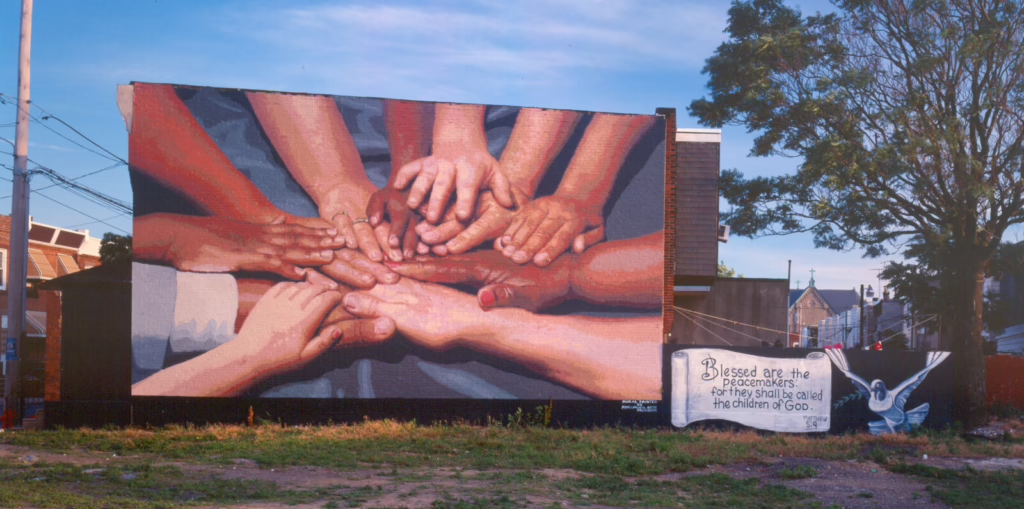 Mural Arts PhiladelphiaRoots and Reimagination: Mural Arts' 40th Anniversary
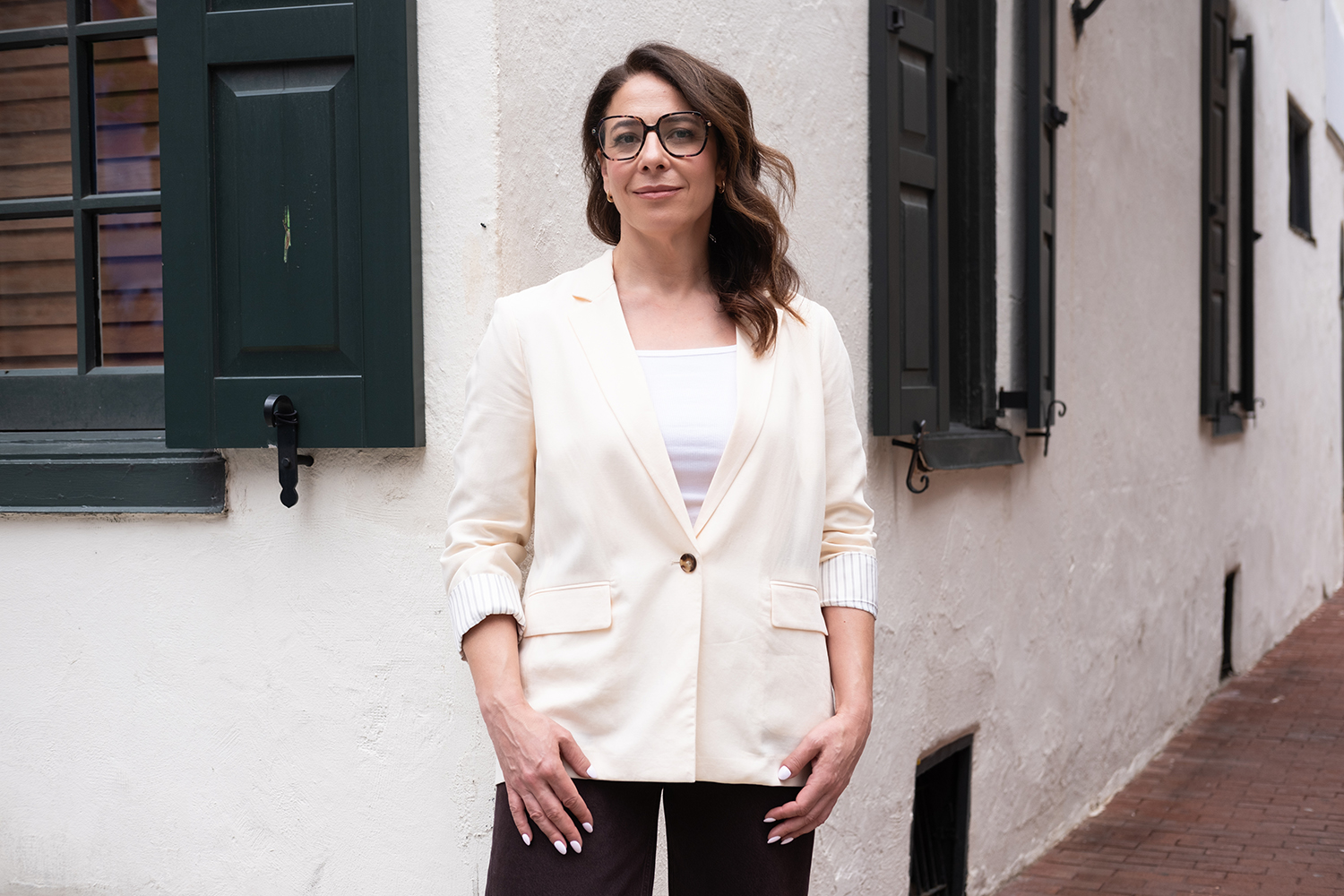 WHYYMural Arts Philadelphia's new leader is Emily Mello
A debate about the origins
The anti-graffiti roots are also debated. In a 2022 opinion piece in The Philadelphia Inquirer, Razan Idris argued that the network was part of a citywide "war on graffiti" that punished local writers, and asked Mural Arts to take a stand against treating graffiti as a crime. Golden, for her part, told WHYY in 2025 that she finds good graffiti beautiful and supports it, as long as it is done legally.
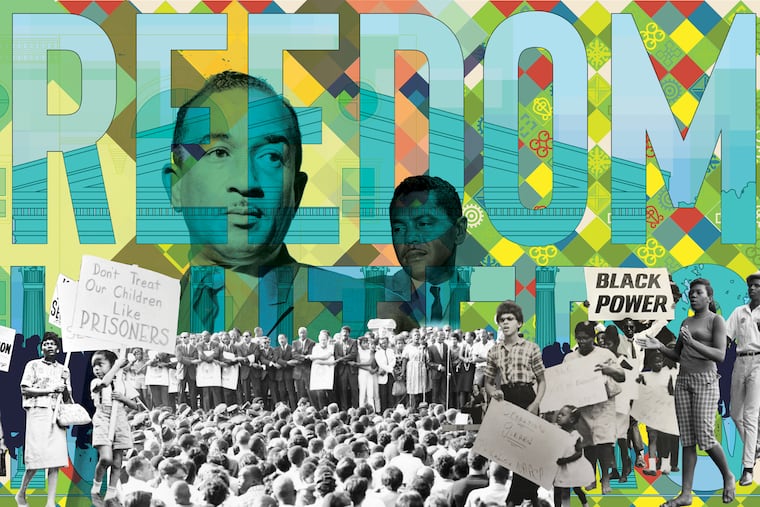 The Philadelphia InquirerHey Mural Arts, graffiti is art, too. It always was.
More than walls: justice, health and school
Besides public art, Mural Arts' site lists three program areas:
- Restorative Justice: since 2003, Mural Arts has worked with the art class at SCI Graterford prison, now SCI Phoenix, whose members have contributed to more than 50 murals. Its Guild trains people coming home from prison, and Mural Arts reports that 92% of graduates are not back in prison within a year.
- Porch Light: run with the city's Department of Behavioral Health and Intellectual disAbility Services, it uses mural-making to support people facing mental illness, addiction or trauma. Mural Arts cites a Yale School of Medicine study of its effects.
- Art Education: more than 2,000 young people a year, according to its 2024 press kit.
How to see Philadelphia's murals
This is what Mural Arts' tours page and its 2026 list of walking routes said on 18 November 2026. Check them before you go, because schedules change.
Why the walls need an archive
A mural looks permanent, but it is not. In 2021, WHYY reported that Mural Arts owns the copyright of its murals with the artists, but not the walls, and Golden estimated that three to six murals disappear each year. In November 2020, a City Council bill proposed a database of every mural in the city. A month later, Michelle Angela Ortiz's portrait of the Latina activist Gloria Casarez was whitewashed by the building's developer.
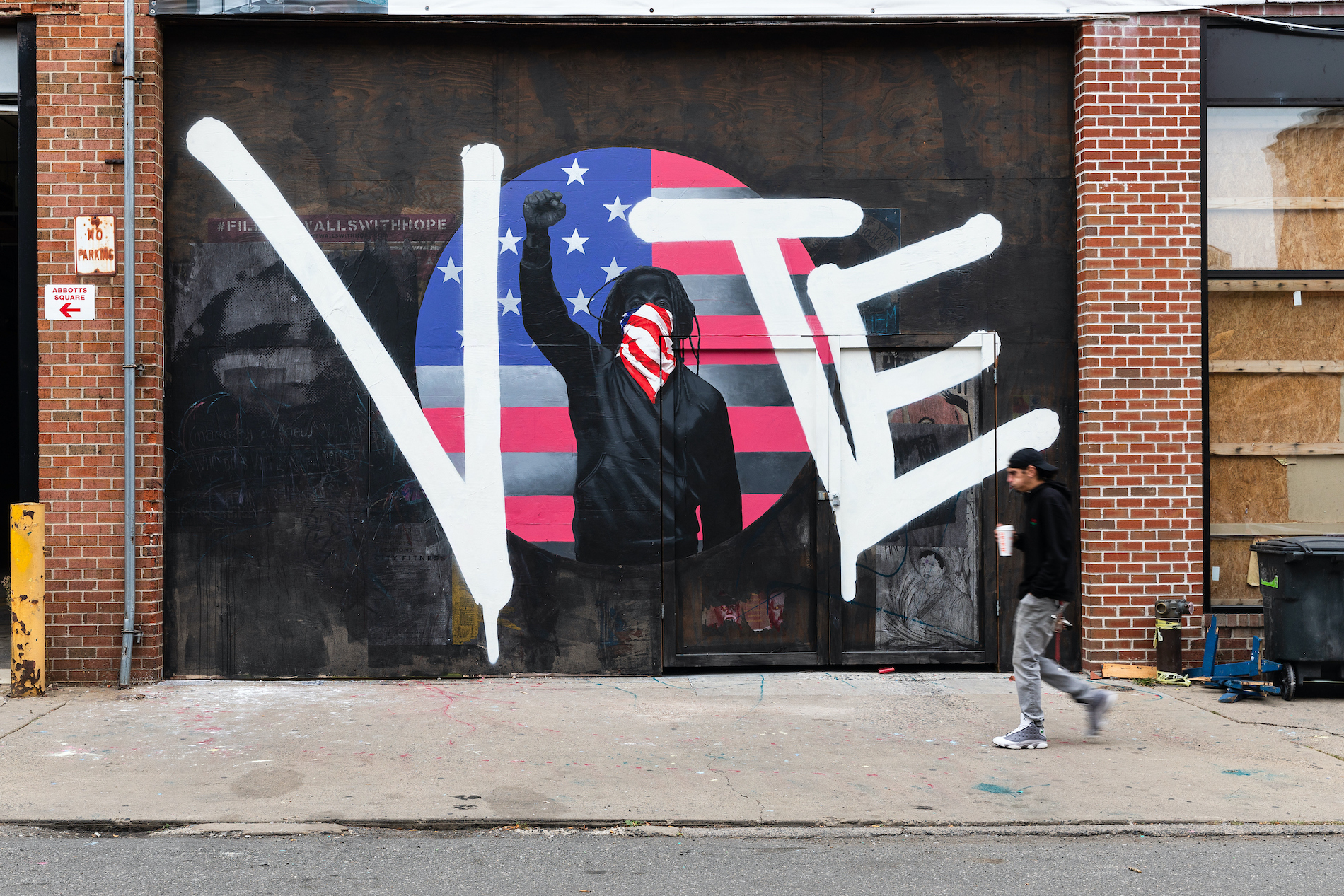 WHYYMural Arts wants more protections for its 3,600 murals
Mural Arts runs a restoration program for its collection, but each wall belongs to its owner. In the app, you check in at the real wall, add a mural you found with a photo and its GPS pin, and credit the artist. When a wall is painted over or torn down, it stays in the archive as Gone, with its story. Our archive is still small and grows city by city: a walk along the Mural Mile can help build it.
Last checked: 18 November 2026, on the pages linked below.
Sources
- Mural Arts history, Mural Arts Philadelphia (seen 18 November 2026)
- About Mural Arts and People, Mural Arts Philadelphia (seen 18 November 2026)
- Roots and Reimagination: Mural Arts' 40th Anniversary, Mural Arts Philadelphia (seen 18 November 2026)
- Press kit, September 2024, Mural Arts Philadelphia (seen 18 November 2026)
- Restorative Justice and Porch Light, Mural Arts Philadelphia (seen 18 November 2026)
- Tours and Walking tours, 2026 routes, Mural Arts Philadelphia (seen 18 November 2026)
- 2024: Mural Arts Philadelphia Year in Review, Mural Arts Philadelphia on YouTube (seen 18 November 2026)
- Posts by @muralarts on Instagram: 21 November 2017, 8 November 2017, 9 March 2017 (seen 18 November 2026)
- Reflecting on 30 years with Mural Arts Philadelphia, Jane Golden, Mural Arts Philadelphia (seen 18 November 2026)
- History of graffiti, the 1960s and 1970s, STRAAT museum (seen 18 November 2026)
- Fresh Cornbread: the Philadelphia artist who invented graffiti, WHYY (seen 18 November 2026)
- Off the wall: Cornbread and other early graffiti artists speak, The Philadelphia Inquirer (seen 18 November 2026)
- Jane Golden is stepping down from Mural Arts Philadelphia, WHYY (seen 18 November 2026)
- Mural Arts Philadelphia's new leader is Emily Mello, WHYY (seen 18 November 2026)
- Hey Mural Arts, graffiti is art, too. It always was., The Philadelphia Inquirer (seen 18 November 2026)
- Mural Arts wants more protections for its 3,600 murals, WHYY (seen 18 November 2026)
- Row houses, October 1973, Dick Swanson, US National Archives, via Wikimedia Commons (seen 18 November 2026)
Related: A short history of graffiti · A short history of murals · What happens when a mural is painted over